

EU Recognised Organisations and Mutual Recognition

Policy Safe decarbonisation and alternative fuels Your Content Goes Here Article 10 of EU Regulation No. 391/2009 on common rules and standards for ship inspection and survey organizations states that “Recognised organisations shall, in appropriate cases, agree on the technical and procedural conditions under which they

EU Recognised Organisations and Mutual Recognition2026-05-13T11:30:39+02:00

International digital standardization of cargo insurance documents

Policy Safe decarbonisation and alternative fuels Your Content Goes Here Trade documents are transforming into digital data. The most common example may be the Bill of Lading which already has multiple digital platforms that are accepted by the International Group of P&I Clubs. The Cargo Insurance

International digital standardization of cargo insurance documents2026-05-13T11:32:38+02:00

Liability

Policy Safe decarbonisation and alternative fuels Your Content Goes Here The insurance of marine liabilities helps to protect third party rights. These liabilities can be extraordinarily high (environmental impact of an oil spill, for example) and so sufficient insurance coverage is crucial. Marine liability insurance is

Liability2026-05-13T11:34:02+02:00

Nuclear Propulsion

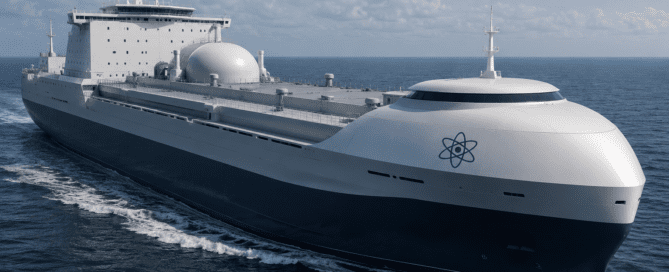
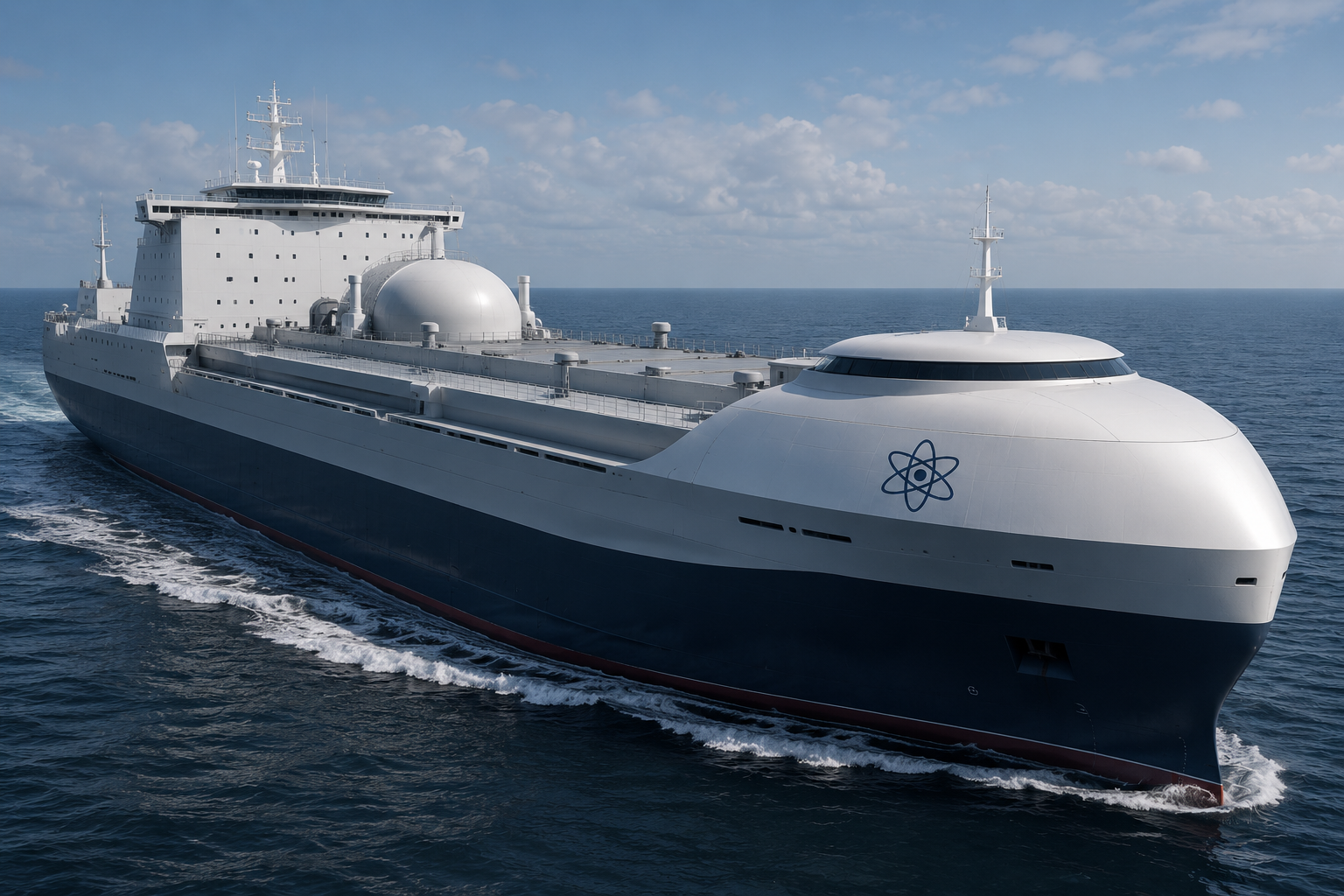
Policy Safe decarbonisation and alternative fuels Your Content Goes Here Focus on nuclear propulsion for commercial vessels has increased due to its potential to overcome the lack of scalable low carbon fuel alternatives. Advanced reactor technologies have improved safety. However, fundamental challenges persist. Nuclear risks are

Nuclear Propulsion2026-05-13T11:45:00+02:00

Plastic litter

Policy Safe decarbonisation and alternative fuels Your Content Goes Here At least 8 million tons of plastic end up in the oceans annually and researchers estimate this will increase to 29 million tons by 2040. Marine species ingest or are entangled by plastic debris which causes

Plastic litter2026-05-13T11:46:49+02:00
Go to Top